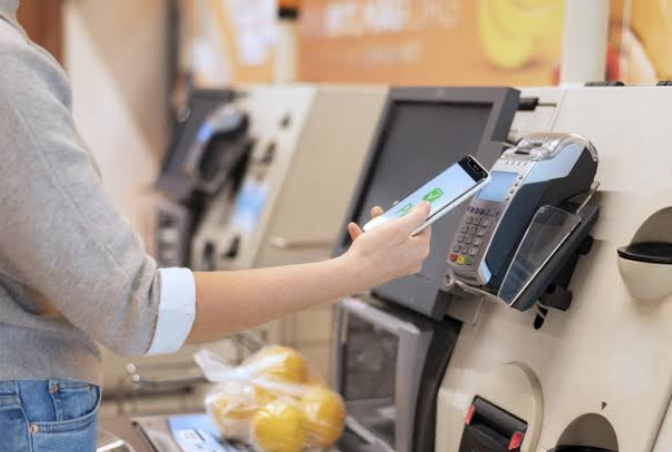
Self-service checkout has become common enough that customers no longer find it novel, which means the decision about whether to install it has moved from a question of innovation to a question of operational fit. Some shops gain a great deal from it. Others install it, watch it go unused, and quietly return the floor space to something else eighteen months later.
The difference is not the quality of the equipment. It is whether the shop’s transaction profile suits self-service, and that can be assessed reasonably well in advance rather than discovered afterwards.
Self-Checkout Kiosks work best in a specific and identifiable set of conditions, and understanding those conditions is more useful than any general argument about whether self-service is the future of retail.
The Transaction Profile That Suits It
Several characteristics predict success, and they tend to appear together.
Small baskets are the strongest indicator. Self-service works well for a handful of items and becomes slow and irritating for a full trolley, which is why it is common in convenience formats and less successful where the average basket is large.
Barcoded, uniform products are essential. Anything requiring weighing, cutting, measuring, or judgment slows the process and pushes customers toward staffed lanes.
Predictable peaks help. Shops with a sharp rush around lunchtime or after work benefit most, because self-service adds capacity precisely when queues form.
Repeat customers matter more than most people expect. Regulars learn the system and use it fluently. A shop serving mostly first-time visitors will see slower transactions and more assistance requests.
Low intervention rates are the outcome all of this produces. Every transaction requiring staff assistance erodes the labour saving that justified the installation.
Where It Tends to Struggle
The opposite profile is equally identifiable.
Large baskets make self-service slower than a staffed lane, and customers know it.
Age-restricted products require verification, which means a staff member approves the transaction anyway. A shop where a large share of transactions include alcohol, tobacco, or other restricted goods will see intervention on most sales, which defeats the purpose.
Loose, weighed, or variable goods require lookup and judgment. Produce, delicatessen items, hardware sold by length, and anything priced by weight all slow the process considerably.
Complex pricing, meaning multi-buy offers, loyalty discounts, and conditional promotions, generates confusion and disputes at the machine.
High-value small goods increase the shrink exposure that self-service introduces.
Customer demographics matter too, and it is not simply about age. Any customer group that values interaction with staff, or that is shopping in a hurry with a full basket, will use a staffed lane given the choice.
The Honest Position on Losses
Self-service checkout increases shrink. Vendors are sometimes vague about this and retailers should plan for it.
The losses come from several directions: items not scanned deliberately, items genuinely missed, cheaper items scanned in place of expensive ones, and produce entered as a lower-priced variety.
Mitigation exists and it is partial. Weight verification catches some substitutions and produces false alarms that require intervention. Camera and vision systems have improved considerably. Staff presence in the self-service area is the most effective control and it is also the cost the installation was meant to reduce.
The reasonable way to approach this is as an explicit trade-off. Accept a shrink increase, quantify it after a few months, and weigh it against the labour saving and throughput gain. Shops that measure this properly generally find it acceptable. Shops that do not measure it sometimes discover the trade was worse than assumed.
Staffing Does Not Disappear
The most common planning error is assuming self-service removes a role rather than changing it.
An attendant is required. Someone must approve age-restricted sales, resolve errors, help first-time users, and deter opportunistic loss. One attendant can typically cover four to six machines, which is where the labour saving comes from, and the saving is real rather than total.
That role is genuinely different from operating a till. It requires attention across several transactions at once, judgment about when to intervene, and patience with customers who are frustrated by a machine. Not every employee suits it.
Staffed lanes still need to exist. Removing them entirely alienates customers with large baskets and those who prefer service, and the shops that have tried it have generally reversed course.
Making the Decision With Numbers
The assessment is more concrete than it might appear.
Work out your average basket size and the proportion of transactions under, say, ten items. That fraction is roughly your addressable self-service volume.
Calculate the share of transactions involving age restriction, weighed goods, or anything requiring judgment. That is your expected intervention rate, and above roughly a quarter the economics weaken considerably.
Measure your peak queue times and how much of the day they represent. Self-service earns its return during peaks, and a shop that never queues gains little.
Compare the equipment and floor space cost against the realistic labour saving, then subtract an allowance for increased shrink.
If You Proceed
Start with a small installation rather than a full conversion, which gives real data on your own customers rather than an assumption based on someone else’s.
Place machines where the attendant can see all of them from one position, and where the queue does not conflict with the staffed lanes.
Keep the interface simple and the prompts short. Most customer frustration comes from unnecessary steps rather than from the concept.
Then measure: throughput, intervention rate, and shrink. Those three numbers tell you within a few months whether the installation is doing what it was bought to do, which is considerably better than deciding by impression a year later.